A Division of Alliance Material Handling · Serving All 50 States Contact Us
Sales · Design · Install · Repair · Nationwide · 35+ Years

Drive-In & Drive-Through Rack

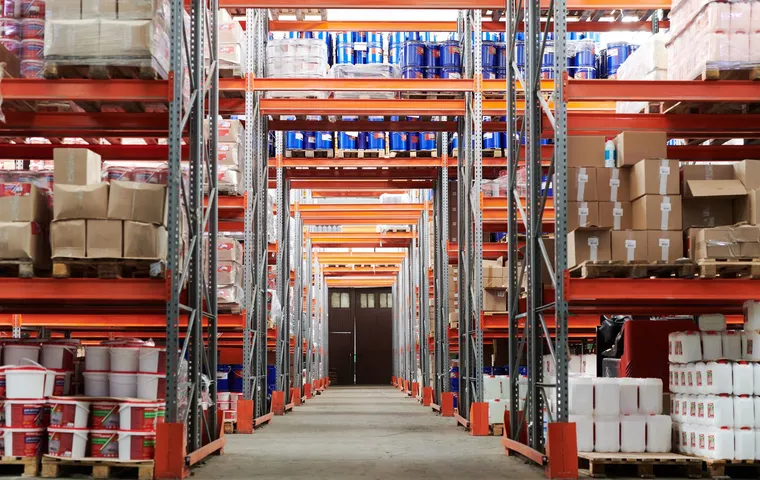
Maximum density for high-volume storage. Drive-in and drive-through rack let forklifts drive right into the lanes, storing pallets many deep on continuous rails instead of behind front beams — so you fit far more product in the same footprint. Alliance designs, sells, and installs both LIFO drive-in and FIFO drive-through systems nationwide, with stamped permit drawings, turnkey installation, and 24-hour rack repair.

Call (240) 269-2216

Store More Pallets in the Same Footprint

When you store large quantities of the same product, aisles are wasted space. Drive-in and drive-through rack eliminate most of them — forklifts drive directly into the lanes and set pallets onto continuous rails, several positions deep. The result is dramatically higher storage density, often approaching double the capacity of selective rack in the same square footage. Drive-in works on a LIFO basis loaded from one end; drive-through is open at both ends for FIFO rotation. Alliance engineers the lane depth, rail elevations, and entry guides around your pallet sizes, forklifts, and product flow — then produces stamped permit drawings and installs it turnkey, with a local team to repair and expand it for years.

Talk to a SpecialistCall Us: (240) 269-2216

What Makes Up a Drive-In System

No front beams — pallets ride on depth rails so the lift can drive in. Here's what goes into it.

Deep Upright Frames

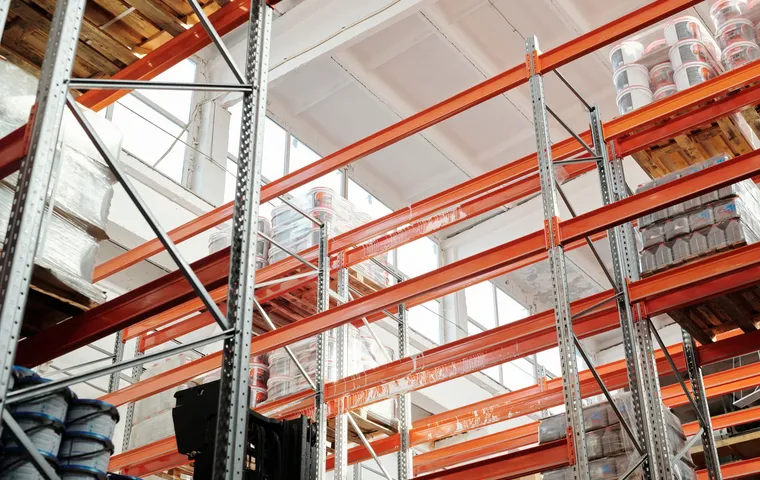
Braced upright frames run the full depth of the lane, anchored to the floor — the structural backbone the whole system hangs from.

Rail Arms & Brackets

Cantilever arms bolt to the uprights at each level and carry the rails — engineered to take repeated forklift entry without losing capacity.

Pallet Support Rails

Continuous rails run front-to-back so pallets rest on their edges and forklifts drive underneath. This is what replaces front load beams.

Lane Guides & Top Ties

Entry guides protect the lane and steer the lift; top ties and back-stops lock the structure together and keep pallets positioned.

Drive-In or Drive-Through?

Drive-In · LIFO

Loaded and unloaded from one end. Highest density per square foot — perfect placed against a wall for bulk storage of identical pallets where rotation isn't critical. Last pallet in is the first one out.

Drive-Through · FIFO

Open at both ends — load one side, pick the other. True first-in-first-out rotation for date-sensitive or perishable product, while still storing many pallets deep.

Turnkey Drive-In Rack Services

Other Pallet Racking Systems We Build

Drive-in is the density champion. When you need selectivity or rotation, we design these too.

See All Pallet Racking Systems

Quality Rack From Trusted Manufacturers

Interlake MecaluxSteel KingRidg-U-RakUNARCOHannibalFrazierHuskyBulldog

Drive-In Rack — Common Questions

What is drive-in pallet rack?

Drive-in rack is a high-density storage system where forklifts drive directly into the lane to load and retrieve pallets. Instead of front load beams, pallets rest on continuous support rails that run front-to-back, so you can store many pallets deep with very few aisles. It maximizes cube utilization and is ideal for storing large quantities of the same SKU. Alliance designs, sells, and installs drive-in rack nationwide — call (240) 269-2216.

What is the difference between drive-in and drive-through rack?

Both store pallets several deep on rails, but drive-in rack is loaded and unloaded from one end (LIFO — last in, first out), while drive-through rack is open at both ends so you load from one side and pick from the other (FIFO — first in, first out). Drive-in suits dense storage against a wall; drive-through suits date-sensitive product that needs rotation. Alliance designs both around your flow.

When should I use drive-in rack instead of selective rack?

Choose drive-in rack when you store large quantities of a few SKUs and want maximum density — it can nearly double pallet capacity versus selective rack by eliminating aisles. Selective rack is better when you need direct access to many different SKUs. If you're storing lots of identical pallets (cold storage, beverage, manufacturing), drive-in is usually the most cost-effective use of your cube. Alliance will model both for your operation.

How much does pallet racking cost?

Pallet racking cost depends on the system type, capacity, height, and number of bays — selective rack is the most economical per position, while high-density systems like push-back and pallet flow cost more but store more in less space. Alliance designs to your budget and gives a firm quote. Call (240) 269-2216 for pricing on your the U.S. project.

What type of pallet racking is best for my warehouse?

The right system depends on your SKU count, pallet volume, and rotation needs: selective rack for direct access to mixed SKUs, drive-in for high-density LIFO, push-back for density with selectivity, pallet flow for FIFO throughput, and cantilever for long loads. Alliance designs the layout around how your operation actually runs nationwide.

Can damaged pallet racking be repaired, or does it need to be replaced?

Forklift-damaged rack can usually be repaired rather than fully replaced. Alliance provides engineered column repair kits, front-column and sub-frame replacement, and load-beam repair to restore rated capacity, with cooler/freezer engineer stamps available. We offer 24-hour emergency rack repair nationwide — call (240) 269-2216.

Drive-In & Drive-Through Rack — the United States
Designed · Engineered · Installed · Repaired · Permit drawings · Nationwide
(240) 269-2216